 MENU
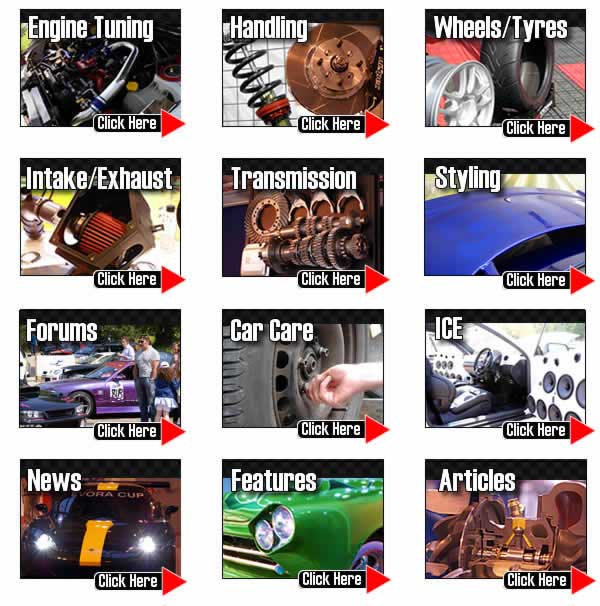
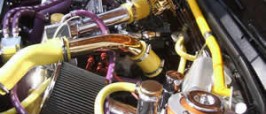
The basic reason for forced induction (turbo or supercharger) is not to increase compression or the maximum pressure in an engine cylinder, it is to increase volumetric efficiency (the efficiency of the engine at drawing in air) although forced induction is the most effective method of upping compression.
In computer games we just tick a box, and within seconds our car is fully turbocharged and running much faster. In the real world things are very different.
Clutch tuning: performance clutch modifications and triple plate clutches setup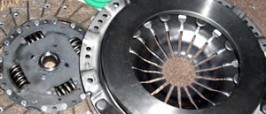
The clutch takes the engine power, and puts this down through the drive shaft, to the driven wheels on the road but allows you to disengage the engine whilst performing a gear change.
Contact like this requires a lot of grip and a fast response. The more power you have the harder it is for the clutch to operate.
Low ratio sport gearbox setup and selection.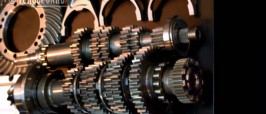
Gearbox – Lower ratios give better acceleration times and lower fuel economy. Six or seven speed boxes are better matched to modern engines.
Most street applications are closer 1st and 2nd gear ratios for that off the line 0-60 boost or for the fast exec a lower 2nd and 3rd ratio give improved overtaking flexibility and 30 – 70 mph acceleration with a high 4th and 5th gear to give motorway fuel economy.
Boost controllers and remaps
Boost controllers
The turbo is driven by the exhaust gases and the faster the exhaust flows the quicker the turbo spins and more air gets forced in to the engine.
If too much air is forced into the engine then it will run lean. This causes an intermittent loss of power and you also risk putting too much pressure on the engine with a surge of power.