 MENU
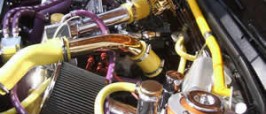
The basic reason for forced induction (turbo or supercharger) is not to increase compression or the maximum pressure in an engine cylinder, it is to increase volumetric efficiency (the efficiency of the engine at drawing in air) although forced induction is the most effective method of upping compression.
In computer games we just tick a box, and within seconds our car is fully turbocharged and running much faster. In the real world things are very different.
High performance engine tuning mods that improve performance.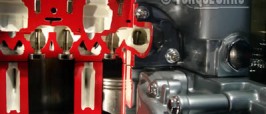
Careful selection of your internal engine tuning modifications can lift your engine from a purring kitten into a roaring lion!
While it is tempting to throw in every modification you can, it’s worth noting that not all mods work well together. This is something we cover in our articles as we steer you to the right decision on mods for your car.
Clutch tuning: performance clutch modifications and triple plate clutches setup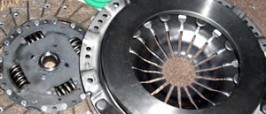
The clutch takes the engine power, and puts this down through the drive shaft, to the driven wheels on the road but allows you to disengage the engine whilst performing a gear change.
Contact like this requires a lot of grip and a fast response. The more power you have the harder it is for the clutch to operate.
Particulate filters and FAP Performance gains.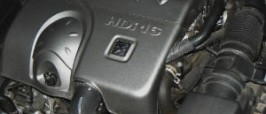
The particulate filter is a stand alone unit. It is located upstream of the cat in the exhaust system and its purpose is to remove soot particles from the gas stream. The cat the proceeds to do its usual job of converting CO to CO2 and is in no way dependent or relied upon by the particulate filter.
In diesels the cats are two way devices and run in unregulated mode (ie. no O2 sensor like a petrol car).