 MENU
MENU

Safety Mods "Play it safe." When one starts modifying a car, little thought is usually given to the safety of the […]
More power with an engine swap a simple guide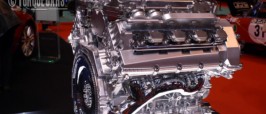
Engine swaps and transplants. "Insane engine swaps" A popular modification with Torquecars members involves a complete engine swap and remains […]
Vents – adding performance with Bonnet vents.
Performance gains are possible with the addition of bonnet vents.
Warm air really does kill performance. This is due to the air intake temperatures being hot and air at high temperatures carries less oxygen.
When driving an engine hard the under bonnet temperatures quickly build up and the engine has no choice but to suck this air in reducing your power.
Tyres and tread patterns for High performance cars
Performance tyres, selection and tyre tread patterns. "If you're feeling tyred!" The importance of your cars tires should never be overlooked. A […]