 MENU
MENU

Flywheel lightening and its impact on engine performance. "No Fly(wheels) on us." Lightening the flywheel – the flywheel works […]
Suspension settings, lowering and stiffening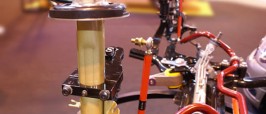
On the track your priority is fast cornering and suspension plays a large part in this. Track conditions are quite forgiving and you can make some compromises like using hard suspension and lowering the car for optimum aerodynamics and a low centre of gravity.
This works well because tracks are fairly flat and you do not have a carrier bag full of eggs in the car from your return trip to the supermarket.
Cryogenic engine treatments
When putting more power through an engine you need to ensure that every part will perform at its optimum.
One of the motorsports favourite techniques to improve the durability of an engine is a process know as cryogenic treatments.
As you can guess from the use of the word Cryo – it involves the cooling and heating of the engine block to temper the metal changing its structure.
Big valve kits – larger intake valves.
The heads primary job is the mixing of fuel and air and delivering this to the combustion chamber.
Any turbulence or drag can restrict the air flow into the engine starving you of power. So this TorqueCars article will focus on the intake valves and how they can be improved.
The aim of head tuning is both to maximise the amount of air and fuel that gets into the engine, and to improve the mixture.