 MENU
MENU
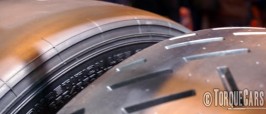
Performance tyres, selection and tyre tread patterns. "If you're feeling tyred!" The importance of your cars tires should never be overlooked. A […]
Ceramic exhaust coatings and exhaust wraps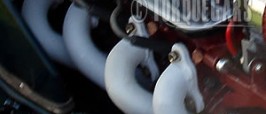
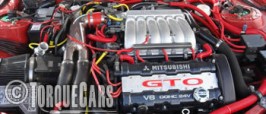
Under bonnet temperatures are one of the biggest performance killers around.
Quite simply, you want your engine to be sucking in cold air as this carries more oxygen and will allow you to burn more fuel.
The exhaust system is one of the contributors to under bonnet temperatures. You can therefore lag the exhaust to help prevent this heat soak into the engine bay.
What is an induction kit and what does it do.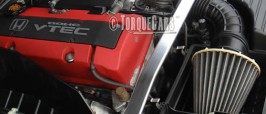
As induction kits are probably one of the most popular modifications for car tuning projects we thought we should add a introductory article to explain what they are, what they do and the theory behind them.
An induction kit is quite simply an air filter. Most cars have air filters mounted in an air box. These filters are generally constructed of paper which filters out the particles from the air and prevents these from getting into the engine. The airboxes are designed to reduce the noise of the engine and have various vanes and angles cut to maximise this noise reduction.
Cryogenic engine treatments
When putting more power through an engine you need to ensure that every part will perform at its optimum.
One of the motorsports favourite techniques to improve the durability of an engine is a process know as cryogenic treatments.
As you can guess from the use of the word Cryo – it involves the cooling and heating of the engine block to temper the metal changing its structure.