 MENU
MENU
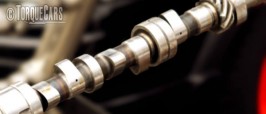
Camshafts durations and profiles. "Cam(alot) of power!" Cam profiles and cam durations. The cam shaft controls the inlet and outlet […]
Turbo tuning and power gains on turbo engines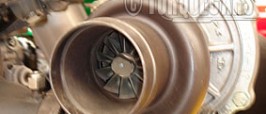
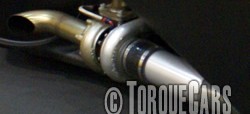
Tuning turbo engines. "A lot of hot air." What is a turbo. If you go back to your childhood you […]
How to add a turbo to a non turbo car.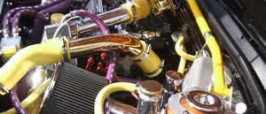
The basic reason for forced induction (turbo or supercharger) is not to increase compression or the maximum pressure in an engine cylinder, it is to increase volumetric efficiency (the efficiency of the engine at drawing in air) although forced induction is the most effective method of upping compression.
In computer games we just tick a box, and within seconds our car is fully turbocharged and running much faster. In the real world things are very different.
Remaps for diesel engines
Our members frequently talk about their latest mods and power figures. Many of our members have remapped their diesel engines and boast of more power, better economy and unchanged reliability.
But do the claims live up to reality? What sort of power figures can you get from a diesel remap? Diesels have really come so far in a very short time.