 MENU
MENU

We look at what it takes to build a 10 second car and examine the power and weight requirements to reach the sub 11 second goal on the drag strip.
Follow our tips and you can make a 10 second car quite cheaply and within your budget with some power mods and serious weight reduction.
Vents – adding performance with Bonnet vents.
Performance gains are possible with the addition of bonnet vents.
Warm air really does kill performance. This is due to the air intake temperatures being hot and air at high temperatures carries less oxygen.
When driving an engine hard the under bonnet temperatures quickly build up and the engine has no choice but to suck this air in reducing your power.
Remapping the ECU – remaps benefits and issues
Back in the good old days – the task of timing the ignition spark was performed by the distributor. The greater the RPM, the more the timing would advance.
This did a reasonable job but for the most effective power you would need to vary the timing to a greater degree than a fixed ratio advance curve. The electronic ignition system was borne.
What is an induction kit and what does it do.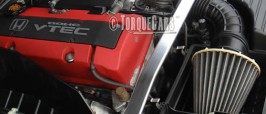
As induction kits are probably one of the most popular modifications for car tuning projects we thought we should add a introductory article to explain what they are, what they do and the theory behind them.
An induction kit is quite simply an air filter. Most cars have air filters mounted in an air box. These filters are generally constructed of paper which filters out the particles from the air and prevents these from getting into the engine. The airboxes are designed to reduce the noise of the engine and have various vanes and angles cut to maximise this noise reduction.